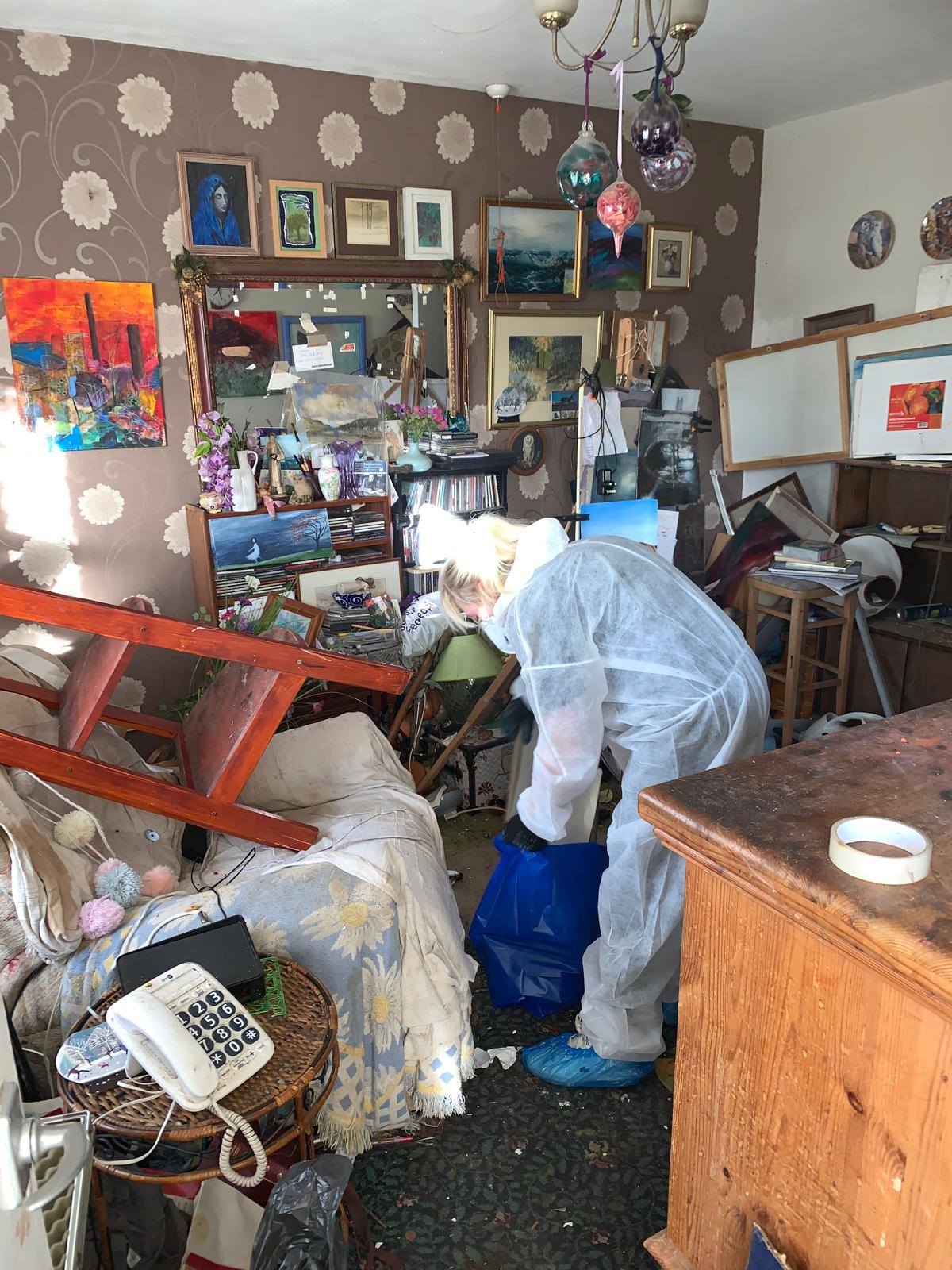
Case Study: Highland Home Care — Hoarding Cleanup Service
Client: “Mrs. A,” Inverness, Scotland
Service Provided: Comprehensive Hoarding Cleanup & Support
Project Duration: 8 Weeks
Service Provider: Highland Home Care Ltd. — Specialist domestic cleanup & wellness-focused support
1. Background & Context
Mrs. A, a 67-year-old widow living on the outskirts of Inverness, had been struggling with hoarding behaviour for over a decade. Following the passing of her husband and the onset of limited mobility, her ability to maintain her home deteriorated significantly. Neighbours reported concerns due to odour, clutter visible through windows, and blocked access to parts of the property.
Local environmental health officers contacted Highland Home Care for assessment and intervention. Mrs. A agreed to support after an initial welfare check identified risks to her health and safety.
2. Challenges Identified
2.1 Safety Hazards
- Blocked hallways and exits
- Fire risk due to piles of combustibles
- Infested food waste and mould growth
- Electrical hazards from overloaded outlets and cords buried under items
2.2 Psychological & Emotional Barriers
- Strong emotional attachment to possessions
- Anxiety at the idea of removal
- Distrust of outside helpers
2.3 Practical and Logistical Constraints
- Limited access between rooms
- No prior regular cleaning or maintenance
- Complex mix of items (e.g. recyclable items mixed with waste and hazardous materials)
3. Approach & Methodology
Highland Home Care deployed a multidisciplinary team including:
- Senior cleanup technician
- Mental health support liaison
- Waste compliance officer
- Logistics & transport coordinator
3.1 Initial Assessment & Planning
A full home assessment was completed:
- Safety risks were logged room by room
- A staged cleanup schedule was designed
- Emotional support protocols were planned with consent
3.2 Client Engagement Strategy
Building trust was critical:
- Daily check-ins with Mrs. A
- Respectful, nonjudgmental communication
- Choices offered for items she wanted to keep
- Scheduled rest breaks
3.3 Health & Safety Protocols
- PPE for staff (respirators, gloves, protective suits)
- Zoning of hazardous areas
- On-site first aid and secure storage of sharp objects
- Coordination with local waste services for safe disposal
4. Cleanup & Intervention Process
Phase 1 — Decluttering & Sorting (Weeks 1–4)
- Categorisation: Keep, recycle, donate, dispose
- Safe removal of biohazard waste
- Inventory of retained items with labels and storage boxes
- Photos taken to track progress
Phase 2 — Deep Cleaning (Weeks 3–6)
Once areas were cleared:
- Steam sanitation of floors and surfaces
- Odour treatment using eco-friendly agents
- Pest-control intervention where needed
- Repair of damaged structure (minor)
Phase 3 — Final Restoration & Home Safety Enhancements (Weeks 6–8)
- Rearranging essential furniture
- Installing safety rails and anti-slip mats
- Improving lighting in previously blocked areas
5. Outcomes & Impact
5.1 Immediate Improvements
| Aspect | Before | After |
|---|---|---|
| Accessibility | Blocked corridors | Full access |
| Fire risk | High | Mitigated |
| Hygiene | Severe contamination | Sanitised |
| Mood (Client) | Withdrawn, anxious | More engaged, calmer |
5.2 Health & Safety
- Exits and pathways cleared
- Ventilation restored
- Fire and electrical hazards addressed
5.3 Client Well-Being
Mrs. A reported:
- Reduced anxiety
- Greater ability to invite visitors
- Increased motivation to maintain space
6. Lessons Learned
6.1 People-Centered Care Is Essential
Success required more than cleaning — it depended on empathy, patience, and consistent communication.
6.2 Staged Cleanup Reduces Overwhelm
Breaking the job into manageable milestones helped both the client and team stay focused and calm.
6.3 Collaboration with Local Services
Working with health and waste management prevented delays and ensured compliance with Scottish regulations.
7. Testimonials
Client (Mrs. A):
“I didn’t think anyone could help me. The team didn’t judge me — they supported me like friends. I can finally walk around my home again.”
Environmental Health Officer (Inverness Council):
“Highland Home Care delivered a complex cleanup with professionalism, dignity, and respect. Their approach should be a model for similar interventions.”
8. Service Model & Best Practices
Assessment
- Safety risk scoring tool
- Psychological readiness checklist
Team Composition
- Skilled cleaners
- Mental-health trained liaisons
- Hazardous waste certified workers
Documentation
- Photos before/after
- Item inventories
- Consent and client preferences
Aftercare
- Weekly check-ins for 3 months
- Coordination with local support groups
- Organisational tips and maintenance coaching
9. Conclusion
This case highlights how a professional, compassionate, and structured hoarding cleanup service not only restores physical space but also supports emotional recovery and improved quality of life. Highland Home Care’s model — grounded in safety, dignity, and collaboration — achieved a lasting change for Mrs. A, setting a strong precedent for future cases across Scotland.
Comments are closed